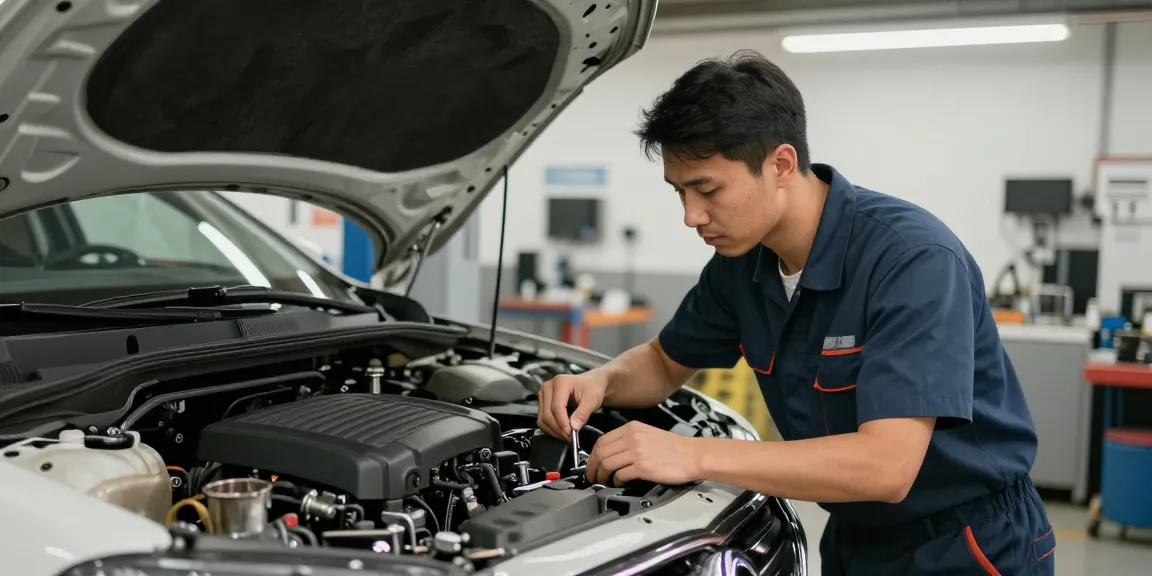
Understanding the Importance of Your Car’s Radiator
As the heart of your vehicle’s cooling system, the radiator plays a vital role in ensuring your engine operates within a safe temperature range. A dirty car radiator can lead to serious performance issues, including overheating, which can cause extensive and costly damage to your engine. Proper maintenance of your radiator not only extends its lifespan but also enhances your vehicle’s reliability, especially during the hotter months.
How a Dirty Car Radiator Affects Engine Performance
A dirty radiator hampers the heat exchange process, preventing the coolant from effectively dissipating heat away from the engine. This condition can lead to elevated engine temperatures, increased fuel consumption, and decreased engine performance. Over time, neglecting your radiator’s cleanliness can result in the need for expensive repairs and downtime. Furthermore, components such as the water pump, hoses, and even the engine can suffer damage that may require extensive repairs.
Signs that Your Radiator Needs Immediate Attention
- Engine overheating – if the temperature gauge rises above the normal range, it’s a crucial warning.
- Leaking coolant – puddles of coolant under your vehicle may indicate leaks in the radiator or connections.
- Steam or smoke from the engine – noticeable steam or smoke is often a sign of a serious issue, possibly indicating a failed radiator.
- Unpleasant odor – a sweet smell often suggests coolant leaks, which are harmful and require urgent attention.
- Signal lights – if your dashboard beacon lights up, it’s a prompt to investigate cooling system issues.
Common Causes of Radiator Failure in Local Vehicles
Several factors can contribute to radiator issues, and understanding them is crucial for preventative maintenance. The most common causes include:
- Low coolant levels – insufficient coolant can drastically increase engine temperatures.
- Corrosion or sediment buildup – these can block the flow of coolant, leading to overheating.
- Faulty radiator cap – if this component fails, it can reduce the system’s effectiveness.
- Thermostat failure – when stuck, it can prevent the coolant from circulating properly.
- Damage from road debris – physical damage can create leaks or blockages.
Choosing the Right Local Mechanic for Radiator Repair
Selecting a trustworthy mechanic is essential to ensure your radiator and cooling system are professionally addressed. You need a licensed and insured professional who is well-rated for radiator services in your area.
What to Look for in a Trusted Auto Repair Shop
When looking for a mechanic, consider the following criteria to ensure high-quality service:
- Certifications: Check for certifications from recognized organizations, which indicate professional competency.
- Customer Reviews: Look for shops with positive customer feedback and high ratings.
- Warranty on Repairs: A reputable mechanic should offer warranties on parts and labor.
- Experience: Inquire about the mechanic’s experience with your vehicle make and model.
Questions to Ask Your Mechanic About Radiator Services
Before opting for services, keep these questions handy:
- What diagnostics do you perform prior to repairs?
- Can you provide a written estimate?
- What is the expected time frame for repairs?
- Do you use OEM or aftermarket parts?
- How often should I have my radiator checked or flushed?
Benefits of Using Local Services Over DIY Solutions
While DIY radiator repairs may seem cost-effective, local professionals provide numerous benefits, including:
- Professional Expertise: Skilled mechanics can quickly diagnose and address problems, saving you time and frustration.
- Warranty Protection: Professional repairs often come with warranties, which are critical for long-term peace of mind.
- Essential Tools: Licensed professionals have access to specialized equipment that may not be feasible for homeowners to invest in.
Radiator Maintenance: Preventative Tips for Everyday Drivers
Regular maintenance is key to avoiding major radiator issues. By implementing these preventative strategies, you can keep your cooling system in prime condition.
Regular Check-Ups: Keeping Your Radiator Clean
Schedule periodic appointments with a local mechanic to inspect your radiator. Routine cleaning helps eliminate debris and build-up, ensuring optimal airflow. Mechanics recommend a flush and clean every two years, depending on usage conditions.
Optimal Fluid Levels: How Often to Check
Keep an eye on your coolant levels by checking monthly. Follow the manufacturer’s recommended levels and always top up with the right type of coolant. Low levels can lead to overheating and engine damage, so catch leaks early with regular checks.
Seasonal Maintenance Tips for Radiators in Extreme Weather
It’s essential to consider seasonal impacts on radiator longevity:
- During summer, keep a watchful eye on coolant levels as heat increases the risk of overheating.
- In winter, ensure that antifreeze levels are adequate to protect against freeze damage.
- Adjust your maintenance schedule to ensure your vehicle is prepared for seasonal temperature changes.
Costs Associated with Radiator Repairs
Understanding the financial aspects of radiator maintenance can help you budget effectively for repairs and services.
Budgeting for Radiator Cleaning and Repairs
The costs involved can vary significantly based on the services required. On average, budget between $150 and $500 for radiator cleaning and repairs, depending on the extent of the issue and labor costs.
Comparative Costs of Local Service Providers
Prices can differ among locales, so it pays to compare quotes from local mechanics in your area. Additionally, check for any special promotions or discounts offered by local repair shops. Remember that quality often trumps cost, so evaluate both when making your choice.
Understanding What Influences Repair Prices
Several factors influence the cost of radiator repairs, including:
- The type of vehicle – luxury or older vehicles might incur higher repair costs.
- The extent of damage – major issues will require more labor and materials.
- Location – services in densely populated areas may be pricier compared to rural locations.
Frequently Asked Questions About Dirty Radiators
Addressing common concerns can help demystify radiator care for vehicle owners.
Can I Drive My Car with a Dirty Radiator?
Driving with a dirty radiator is not recommended, as it can lead to overheating and significant engine damage. If you notice poor performance or heat issues, get your vehicle checked immediately.
How Often Should I Clean My Car’s Radiator?
Professionals suggest cleaning the radiator at least once every two years, but check your vehicle’s manual for specific recommendations based on your make and model.
What Are Common Symptoms of a Failing Radiator?
Alongside overheating, look out for signs such as unusual noises from the cooling system, visible leaks, and fluctuating temperature gauges. Pay attention to any increased coolant usage, which may indicate a problem.